
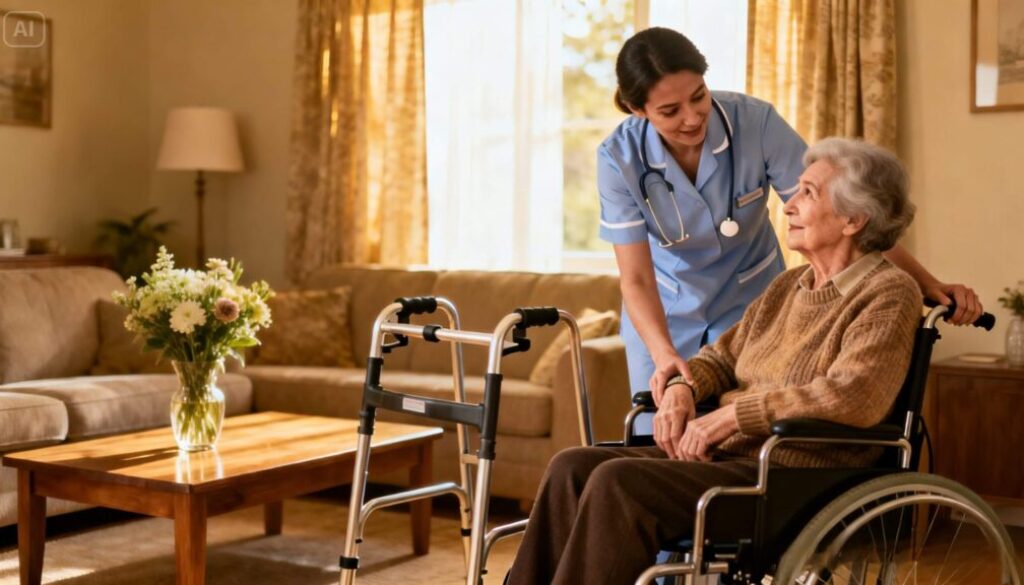
As more seniors choose to age in place, the need for inclusive, compassionate, and highly personalized home care grows stronger. Many older adults live with disabilities or chronic health conditions that require a unique blend of support — not only to remain safe, but also to maintain dignity, comfort, and independence.
This guide explores how the right care approach empowers seniors living with disabilities, mobility challenges, or medically complex conditions.
Understanding the Needs of Seniors with Disabilities & Chronic Conditions
Disabilities among seniors can vary widely, including:
- Mobility limitations
- Vision or hearing impairment
- Cognitive decline or dementia
- Developmental disabilities
- Chronic illnesses such as diabetes, kidney disease, stroke, or Parkinson’s
- Conditions requiring long-term medical monitoring
These challenges impact daily activities, self-care, communication, and social engagement. Without proper support, seniors may experience:
- Increased fall risks
- Poor medication management
- Social isolation
- Reduced quality of life
- Higher chances of hospitalization
This is where structured and personalized home care becomes essential.
The Importance of Personalized Care Plans
Every senior’s needs are different.
A personalized care plan ensures that the type, level, and timing of care match the client’s:
- Medical conditions
- Physical capabilities
- Emotional and social needs
- Daily routines
- Home environment
- Doctor’s recommendations
Personalized care plans allow caregivers to adapt support in a way that respects the senior’s lifestyle while promoting safety and autonomy.
This approach is especially important for clients with disabilities or complex health conditions, where even small adjustments can significantly improve day-to-day comfort and long-term well-being.
How Companion, Personal, and Complex Care Work Together
Holistic care requires more than one type of support. Seniors with disabilities often benefit from the combined strengths of Companion Care, Personal Care, and Complex Care.
1. Companion Care: Social, Emotional & Daily Activity Support
Companion Care is essential for seniors who may feel isolated or have limited mobility. It includes:
- Social interaction and meaningful conversation
- Assistance with light household tasks
- Help with errands or staying connected with family
- Mental stimulation through games, reading, or hobbies
For seniors with disabilities, this emotional stability and daily structure play a vital role in maintaining a positive mindset.
2. Personal Care: Hands-On Assistance with Activities of Daily Living (ADLs)
Personal Care supports seniors who need help with physical tasks such as:
- Bathing, grooming, dressing
- Toileting and continence care
- Mobility assistance
- Feeding support
- Safe hygiene routines
This level of support prevents physical strain, restores dignity, and ensures that seniors can comfortably and safely perform everyday activities.
3. Complex Care: Skilled Support for Medically Challenging Conditions
Some seniors require advanced care from trained professionals such as RNs, LPNs, and aides under nursing supervision.
Complex Care includes:
- Wound care
- Tracheostomy care
- Ventilator management
- Tube feeding
- Ostomy care
- IV therapy
- Monitoring medically fragile conditions
This service bridges the gap between hospital-level care and home comfort — allowing clients to stay where they feel most secure.
Supporting Independence, Dignity & Quality of Life
The goal of inclusive home care is not simply to “assist,” but to empower seniors.
A strong care framework:
- Preserves independence whenever possible
- Respects the senior’s preferences and decision-making
- Provides emotional reassurance
- Builds confidence in daily activities
- Enhances safety and comfort
- Relieves stress from family caregivers
- Allows seniors to maintain their identity despite health limitations
Compassionate care honors the whole person — their history, their personality, and their hopes for the future.
When companion care, personal care, and complex care come together, seniors receive the complete support they deserve.
Final Thoughts
Every senior, regardless of ability or health condition, deserves a life filled with dignity, comfort, and connection. With the right care plan and a team of trained caregivers, aging at home becomes not only possible — but meaningful and fulfilling.
Next Level Home Care is committed to delivering inclusive, personalized, and compassionate care to seniors and adults with disabilities across Maryland.
Please follow and like us:
